AUTHENTIC Kenyan safaris.
National Parks & Reserves in Kenya
Maasai Mara Experience
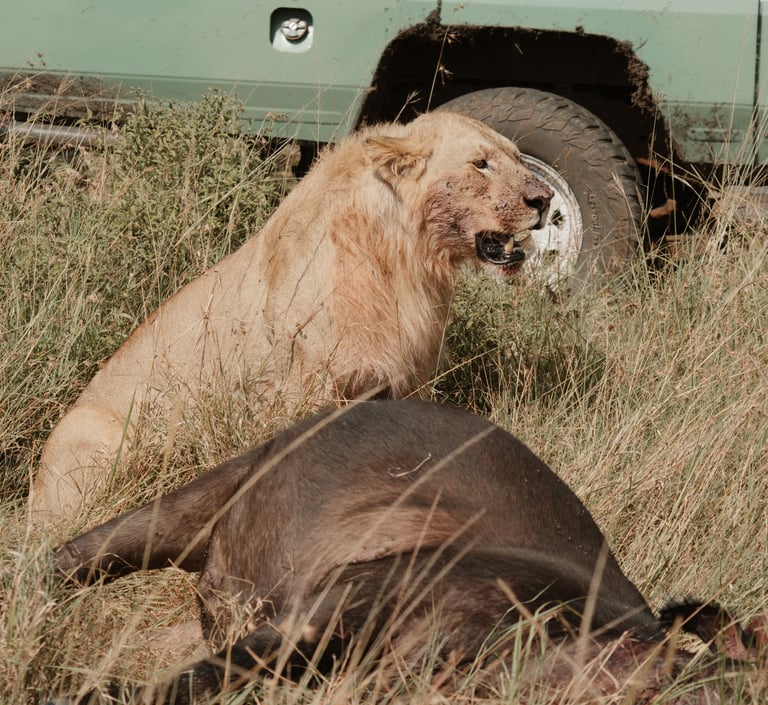
Welcome to Maasai Mara, the home of the big cats. The reserve is 1,510 square kilometers, being an extension of Serengeti National Park. The terrain is the same, with a different rain pattern which plays a bigger role on the migration journey.
This journey covers over 800 kilometres from Serengeti to Maasai Mara. During this cycle, that covers approximately 4 months of trekking, over 2.5 million hoves are on this 800 kilometres migration.
The Nile River separates the Maasai Mara and the Serengeti. Crocodiles can be found within this river posing a threat to the migrating wildebeest while in water. On land, big cats such as leopards, cheetahs and lions as well as hyenas await the animals once the commotion while crossing the river has died down. The migration season also happens to be the best mating season.
Maasai Mara is home to various animals including; elephants, plain zebras, buffalos, maasai giraffes, antelopes, impala, hartebeests, thomson gazelles, grant gazelles, and many more.

Nairobi National Park
The world's only national park located within a capital city, Nairobi National Park stands as a remarkable fusion of wilderness and urban life. Situated just 7 kilometers from the heart of Nairobi, the park offers an extraordinary sight: wild animals roaming freely against a backdrop of skyscrapers. Gazetted in 1946, it holds the distinction of being the oldest national park in East Africa.
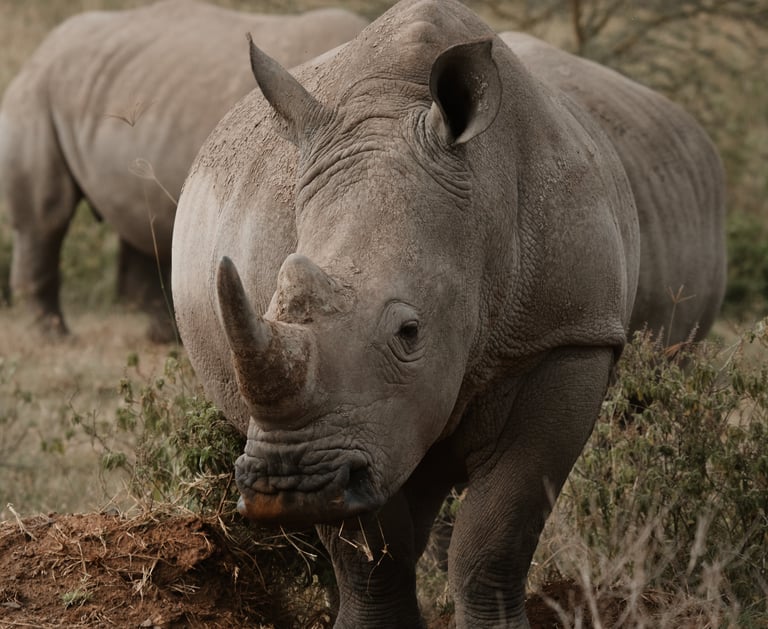
The park is particularly renowned for its successful conservation of both black and white rhinoceros, making it ine of Kenya's most important rhino sanctuaries. Beyond rhinos, Nairobi National Park supports an impressive diversity of wildlife, with over 400 recorded species. The highest concentration of animals is typically observed between March and May, when conditions favour grazing and migration patterns.
Several designated picnic and event sites that enhance the visitor experience are available in the park like the historic Ivory burning site Monument, Kingfisher picnic site, Impala observation point, the Club house, and Mokoyiet picnic site.
Tsavo East National Park
Tsavo East is the larger and flatter section of the greater Tsavo ecosystem, characterized by vast open plains, semi-arid savannah, and the life-giving Galana River that winds through its dry terrain. The landscape feels expansive and endless, offering sweeping views that capture the essence of untamed Africa.
One of Tsavo East's most striking features is its red soil. Elephants frequently dust-bathe in the iron-rich earth, giving them a distinctive reddish appearance that has become one of the park's most iconic images. The open terrain makes wildlife easier to spot, and visitors often enounter large herds of elephants, buffalo, zebras, giraffes, and various antelope species.
Tsavo East is also famous for its lions, including the historically noted "maneless" males that have intrigued wildlife researchers. The Yatta Plateau, one of the world's longest lava flows, adds geological interest to the park's otherwise flat landscape. Overall, Tsavo East offers a classic safari atmosphere defined by space, simplicity, and dramatic horizons.


Tsavo West National Park
Tsavo West presents a striking contrast to its eastern counterpart. The terrain here is more rugged and varied, with rolling hills, volcanic cones, lava fields, and pockets of lush vegetation. This diversity creates a more intimate and scenic safari experience.
A highlight of Tsavo West is Mzima Springs, where crystal-clear water filtered through volcanic rock surfaces into natural pools. These springs attract hippos, crocodiles, and a variety of birdlife, offering visitors a rare opportunity to observe aquatic wildlife in a desert-like environment.
The park is also home to rhinos protected within a sanctuary, along with leopards, cheetahs, elephants, and numerous bird species. Its thicker vegetation and uneven terrain, wildlife viewing can sometimes be more challenging, but sightings often feel more personal and dramatic.
Each side offers a distinct yet complimentary safari experience within Kenya's remarkable Tsavo ecosystem.


Lake Nakuru National Park
Located in the heart of Kenya's Great Rift Valley, Lake Nakuru National Park is one of the country's most celebrated wildlife sanctuaries. Established in 1961 and later designated as a national park in 1968, it surrounds the shallow, alkaline waters of Lake Nakuru and covers approximately 188 square kilometers. The park forms part of the larger Lake system recognized for its ecological importance and scenic beauty.
Lake Nakuru is world-famous for its flamingos, which have historically gathered along its shores in dazzling pink numbers when water and algae conditions are favorable. Although flamingo populations fluctuate with water levels and food availability, the lake remains an important feeding ground for both greater and lesser flamingos. The park is also a designated rhino sanctuary protecting both white and blacks rhinos.
Beyond rhinos and flamingos, Lake Nakuru National Park supports a rich variety of wildlife, including lions, leopards, buffaloes, Rothschild's giraffes, zebras, waterbucks, and numerous antelope species. Dense acacia woodlands and euphobia forests provide habitat for over 450 bird species, making the park a paradise for birdwatchers.
Lake Nakuru National Park delivers a compact yet diverse safari experience that blends breathtaking scenery with meaningful conservation efforts.


Amboseli National Park
Amboseli National Park is one of Kenya's most iconic safari destinations, celebrated for its breathtaking scenery and intimate wildlife encounters. Set against the majestic backdrop of Mount Kilimanjaro, Africa's highest peak, the park offers one of the most photographed landscapes on the continent.
Covering approximately 392 square kilometers, Amboseli is relatively compact compared to some of Kenya's larger parks. Yet what it lacks in size, it more than makes up for in wildlife density and accessibility. The park is particularly famous for its large herds of free-ranging elephants, many of which have been studied for decades.
Amboseli's landscape is a mosaic of dry lake beds, open savannah, acacia woodland, and life-giving swamps fed by underground streams from Mount Kilimanjaro's melting ice.
Beyond wildlife, Amboseli is deeply connected to the culture of the Maasai people, whose communities border the park. Their traditional pastoral lifestyle and vibrant heritage add a rich cultural dimension to the Amboseli experience.


Samburu National Reserve
The reserve stands apart from Kenya's southern parks due to its raw, semi-arid beauty and distinctive nothern wildlife. Located along the life-giving Ewaso Nyiro River in Kenya's rugged northern frontier. The reserve is characterized by acacia-dotted plains, rocky outcrops, and dramatic skies.
The river creates a green ribbon through the dry landscape, attracting elephants, lions, leopards, and large crocodiles, while offering striking contrasts between arid terrains and lush riverbanks. Samburu also carries a strong cultural identity, closely connected to Samburu people, whose traditions and pastoral lifestyle remain deeply rooted in the region.
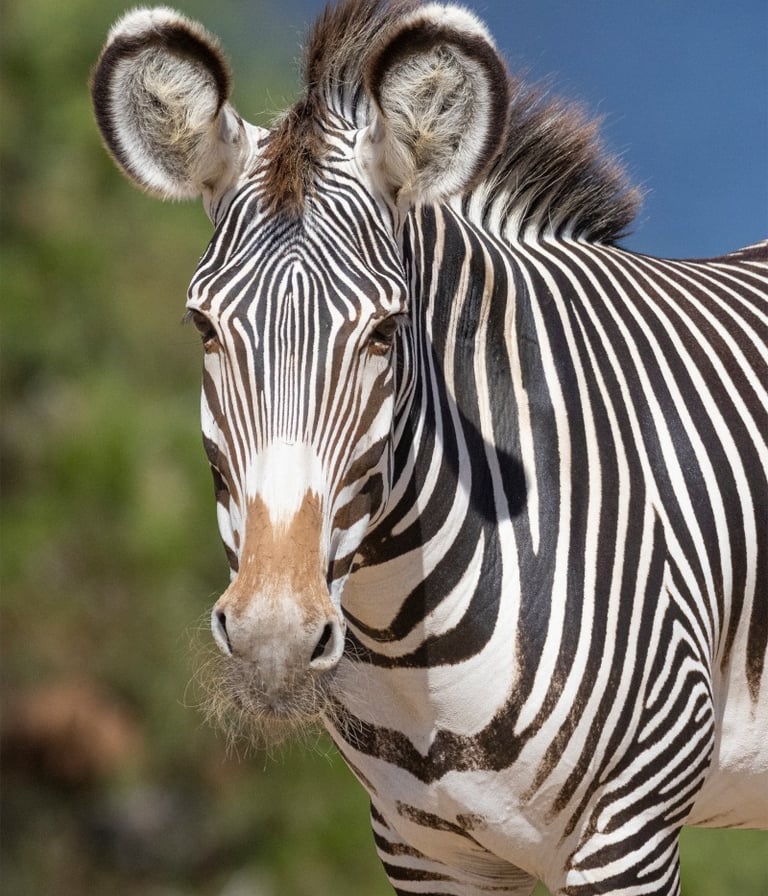
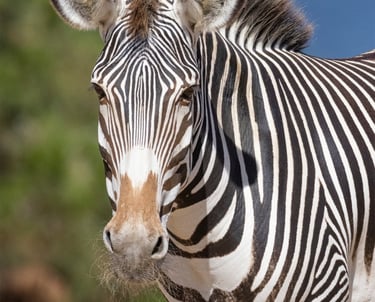
What truly sets Samburu apart is thge famous "Samburu Special Five". These are rare northern species seldom found in other Kenyan parks. They consist of; The Grevy's zebra, distinguished by its narrow stripes and large rounded ears. The reticulated giraffe, easily recognised by its bold, net-like coat pattern. The long-necked gerenuk, known for standing upright on its hind legs to browse. The Beisa oryx, with its elegant straight horns and striking facial markings. The Somali ostrich, identified by the male's vivid blue neck and legs.
Together, these species give Samburu a unique ecological identity, making every safari feel different from the classic savannah experience elsewhere in Kenya.
Contact Us
Reach out for your perfect Kenyan safari.
Phone
info@galileetravels.com
sammy@galileetravels.com
+254797631929
© 2026. All rights reserved.
Follow Us